

技术
架构
Engineering foundations for physical intelligence.
Technology is the shared engineering base for SAVEN Core — the disciplines needed before systems can assist people under clear limits.
一句话
Shared disciplines such as Human Data, privacy, and artificial intelligence must be clear before systems can help people safely.
为何有益
互操作性: 系统仅通过明确、有限协议交换信息。安全与隐私规则仍然适用。
接下来
Choose a discipline below to go deeper, or continue into Systems when you are ready.
Disciplines
 人的数据Structures for history, signals, permissions and changing conditions without unrestricted collection.
 人的数据模型Controlled interface between human context and systems that may use authorized information.
 数据基础设施Engineering substrate for storing, moving and governing authorized data.
 互操作性Defines how SAVEN Core systems exchange information with authorized external environments.
 隐私Architecture that limits what information may be used, why it may be used and who may access it.
 安全Protects systems, interfaces and authorized data pathways from misuse and unauthorized access.
 人工智能Models and rules intended to assist judgment under permissions, uncertainty handling and human oversight.
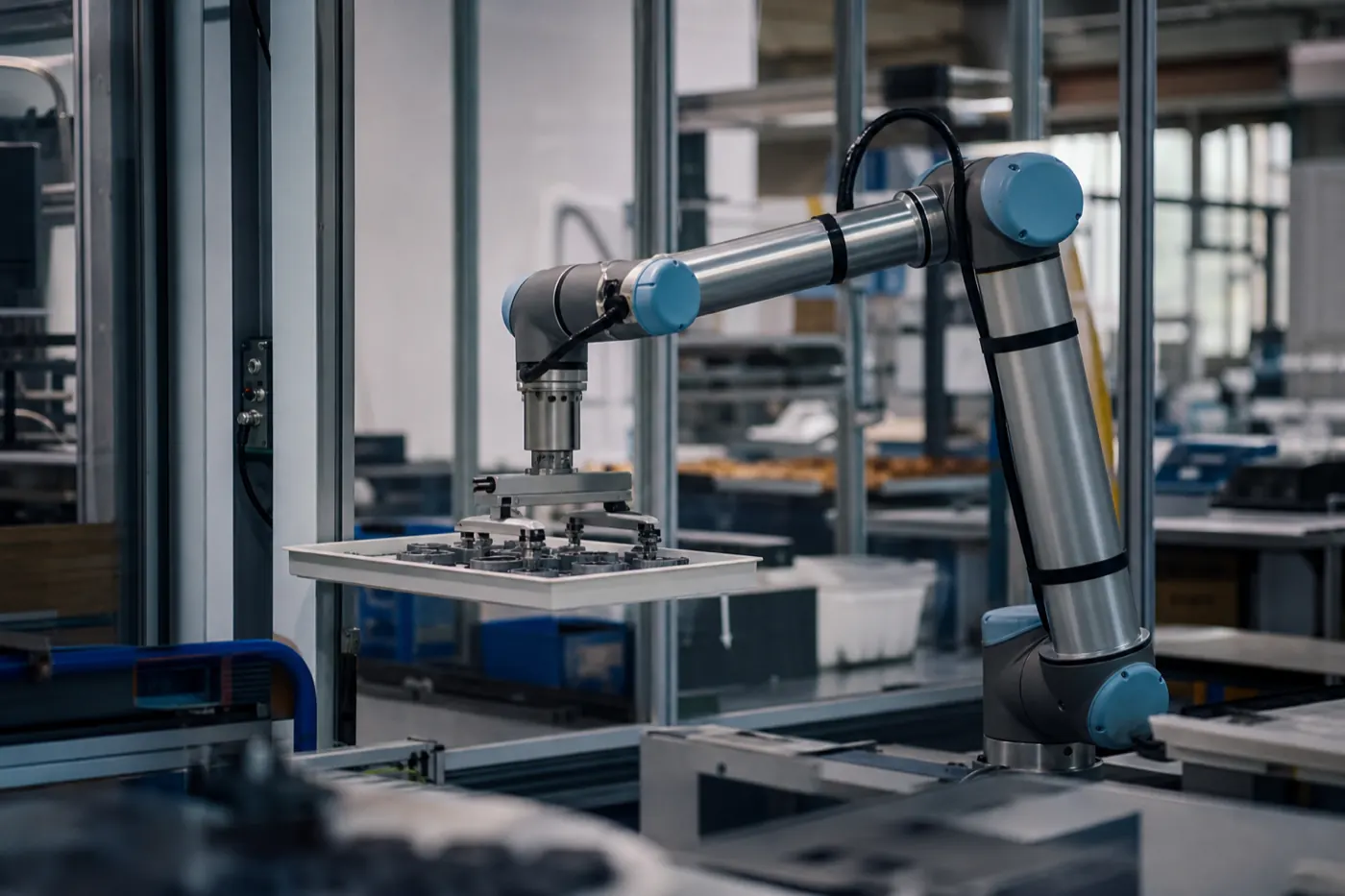 自动化Controlled system behavior for tasks that can be delegated safely.
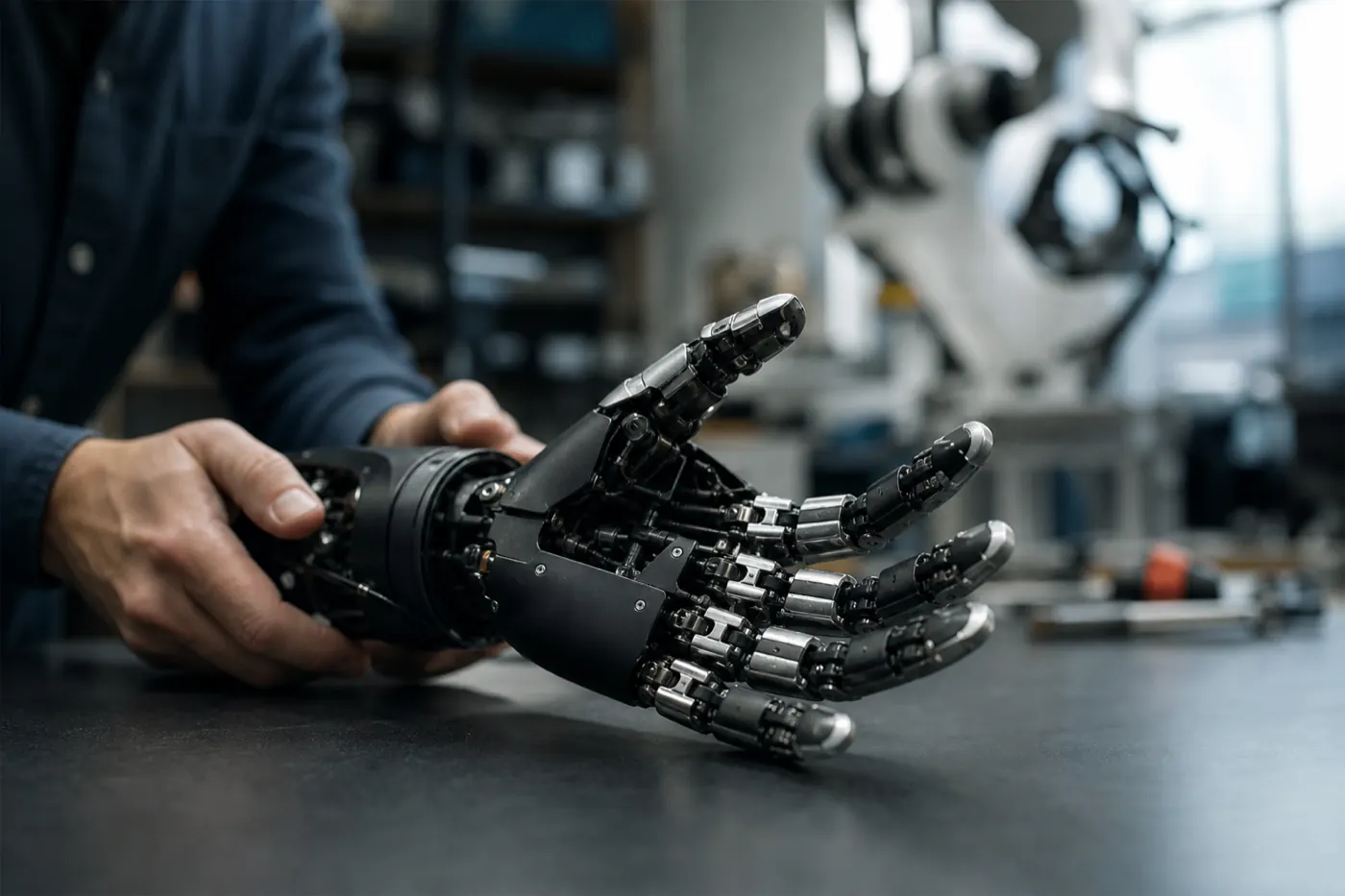 机器人技术Engineering discipline for devices and interfaces that act in the physical world under governance.
继续阅读
工程原则
- 互操作性 — 系统仅通过明确、有限协议交换信息。安全与隐私规则仍然适用。
- 安全 — 边界、升级与停止条件是设计的一部分。安全不是口号或认证声明。
- 隐私 — 隐私定义关于人的哪些信息可用、为何可用及谁可见。
- 人工监督 — 重要行动仍归人类权威。自动化与决策支持不替代人类判断。
- 可扩展性 — 仅当权限、证据与治理支持时,能力方可扩展。
- 可维护性 — 学科、接口与状态标签保持明确,使工作长期可审查。
范围
This page is a knowledge index. It describes Technology architecture, relationships and scope.
状态标签仅描述架构成熟度,不意味着系统在生产环境运行。
本页不做客户、合作、认证或验证声明。
技术页面描述预期架构,不意味着商业部署、临床使用或监管批准。