
Tecnología
Arquitectura
Engineering foundations for physical intelligence.
Technology is the shared engineering base for SAVEN Core — the disciplines needed before systems can assist people under clear limits.
En breve
Shared disciplines such as Human Data, privacy, and artificial intelligence must be clear before systems can help people safely.
Por qué ayuda
Interoperabilidad: Los sistemas intercambian información solo mediante acuerdos claros y limitados.
Lo que sigue
Choose a discipline below to go deeper, or continue into Systems when you are ready.
Disciplines
 Datos humanosStructures for history, signals, permissions and changing conditions without unrestricted collection.
 Modelo de datos humanosControlled interface between human context and systems that may use authorized information.
 Infraestructura de datosEngineering substrate for storing, moving and governing authorized data.
 InteroperabilidadDefines how SAVEN Core systems exchange information with authorized external environments.
 PrivacidadArchitecture that limits what information may be used, why it may be used and who may access it.
 SeguridadProtects systems, interfaces and authorized data pathways from misuse and unauthorized access.
 Inteligencia artificialModels and rules intended to assist judgment under permissions, uncertainty handling and human oversight.
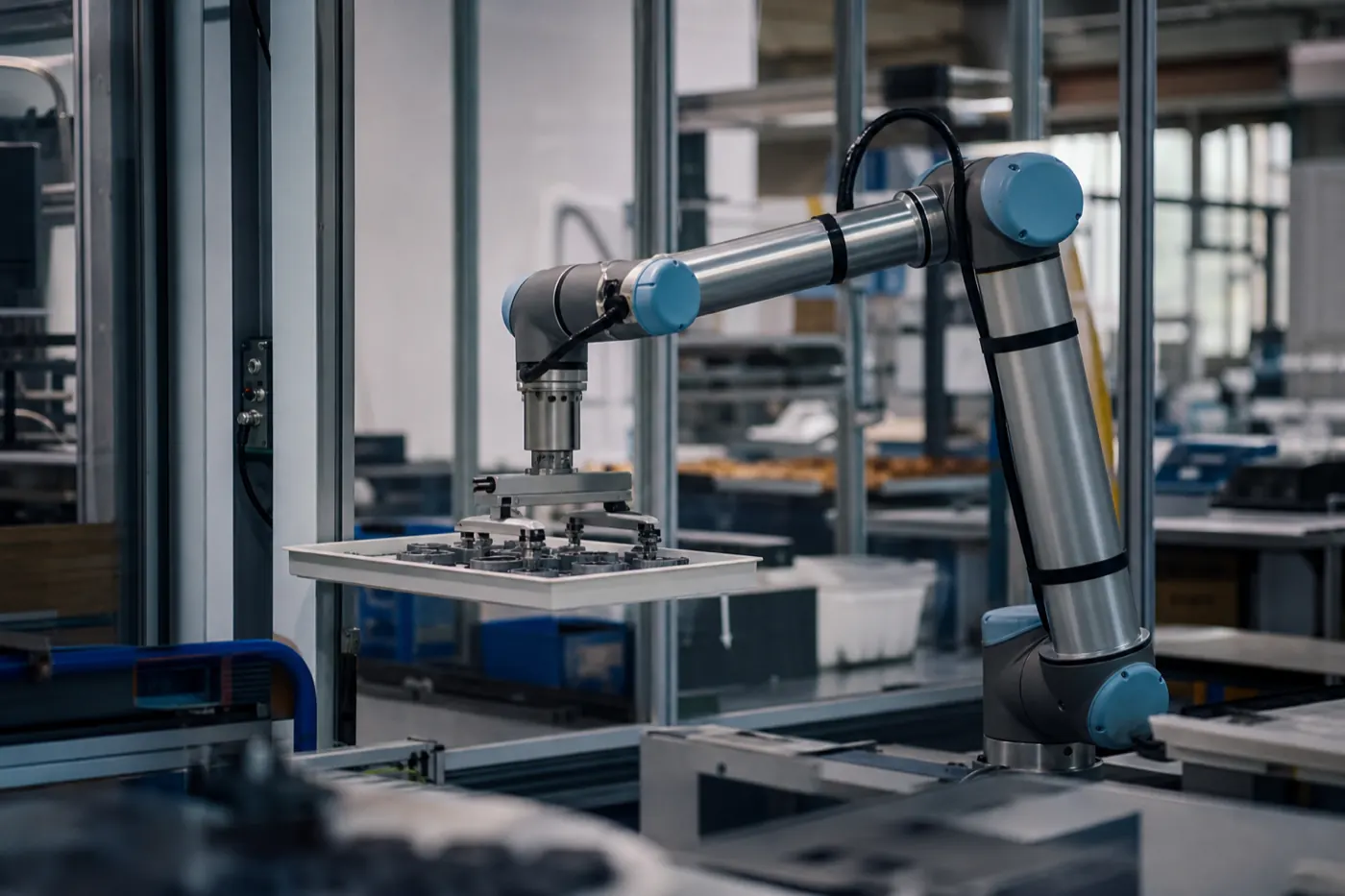 AutomatizaciónControlled system behavior for tasks that can be delegated safely.
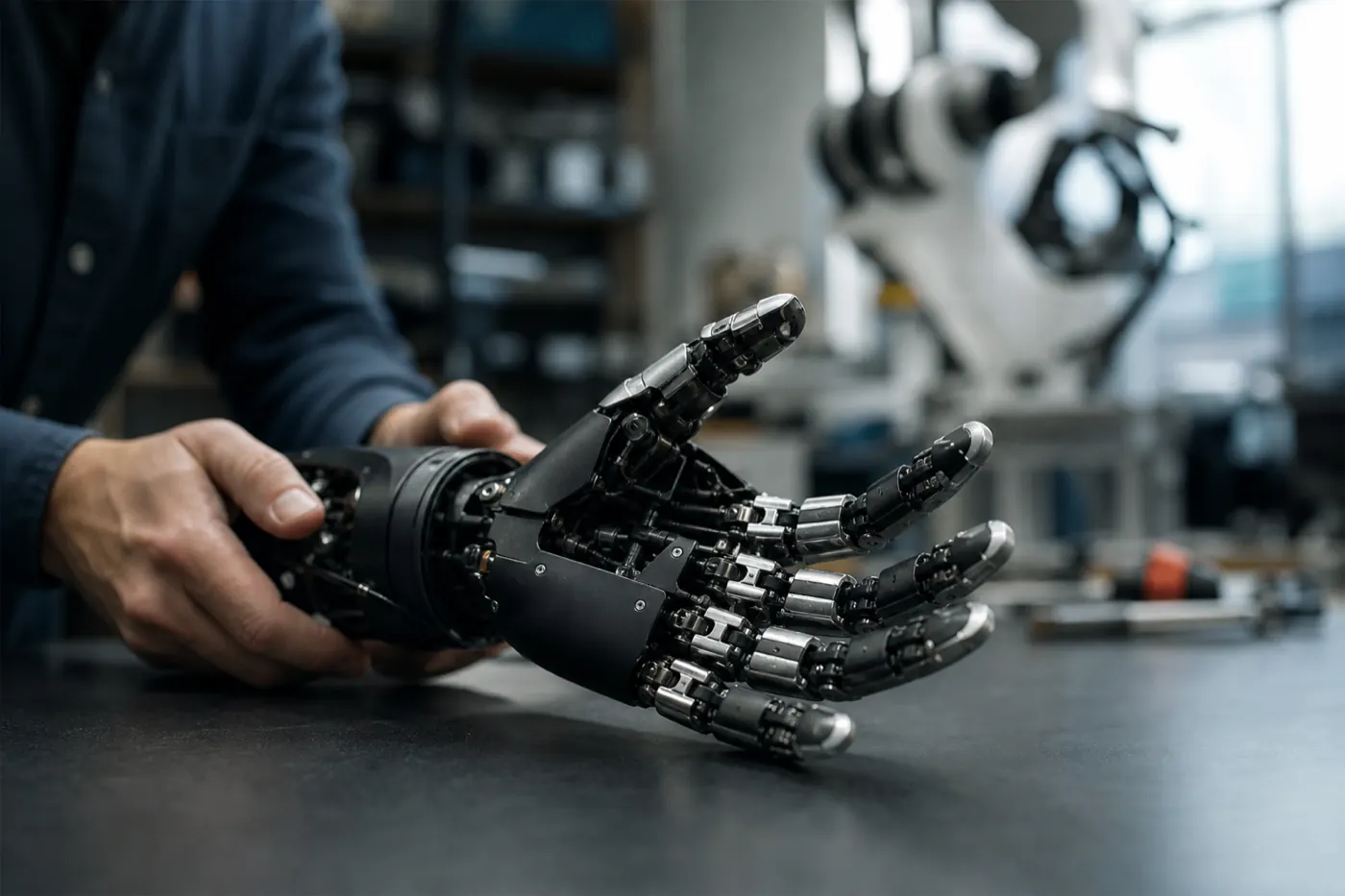 RobóticaEngineering discipline for devices and interfaces that act in the physical world under governance.
Seguir leyendo
Principios de ingeniería
- Interoperabilidad — Los sistemas intercambian información solo mediante acuerdos claros y limitados. Las reglas de seguridad y privacidad siguen aplicándose.
- Seguridad — Los límites, la escalada y las condiciones de parada forman parte del diseño. La seguridad no es un eslogan ni una afirmación de certificación.
- Privacidad — La privacidad define qué información sobre una persona puede usarse, por qué puede usarse y quién puede verla.
- Supervisión humana — Las acciones importantes permanecen bajo autoridad humana. La automatización y el apoyo a la decisión no reemplazan el juicio humano.
- Escalabilidad — Las capacidades se expanden solo cuando permisos, evidencia y gobernanza apoyan esa expansión.
- Mantenibilidad — Las disciplinas, interfaces y etiquetas de estado permanecen explícitas para que el trabajo siga siendo revisable con el tiempo.
Alcance
This page is a knowledge index. It describes Technology architecture, relationships and scope.
Las etiquetas de estado describen solo la madurez de la arquitectura. No significan que los sistemas estén operando en producción.
Esta página no hace afirmaciones sobre clientes, asociaciones, certificación ni validación.
Las páginas de Tecnología describen la arquitectura prevista. No implican despliegue comercial, uso clínico ni aprobación regulatoria.