

技術
アーキテクチャ
Engineering foundations for physical intelligence.
Technology is the shared engineering base for SAVEN Core — the disciplines needed before systems can assist people under clear limits.
ひとこと
Shared disciplines such as Human Data, privacy, and artificial intelligence must be clear before systems can help people safely.
なぜ役立つか
相互運用性: システムは、明確で限定された合意を通じてのみ情報を交換します。安全とプライバシーの規則は引き続き適用されます。
これから
Choose a discipline below to go deeper, or continue into Systems when you are ready.
Disciplines
 人に関するデータStructures for history, signals, permissions and changing conditions without unrestricted collection.
 人に関するデータのモデルControlled interface between human context and systems that may use authorized information.
 データ基盤Engineering substrate for storing, moving and governing authorized data.
 相互運用性Defines how SAVEN Core systems exchange information with authorized external environments.
 プライバシーArchitecture that limits what information may be used, why it may be used and who may access it.
 セキュリティProtects systems, interfaces and authorized data pathways from misuse and unauthorized access.
 人工知能Models and rules intended to assist judgment under permissions, uncertainty handling and human oversight.
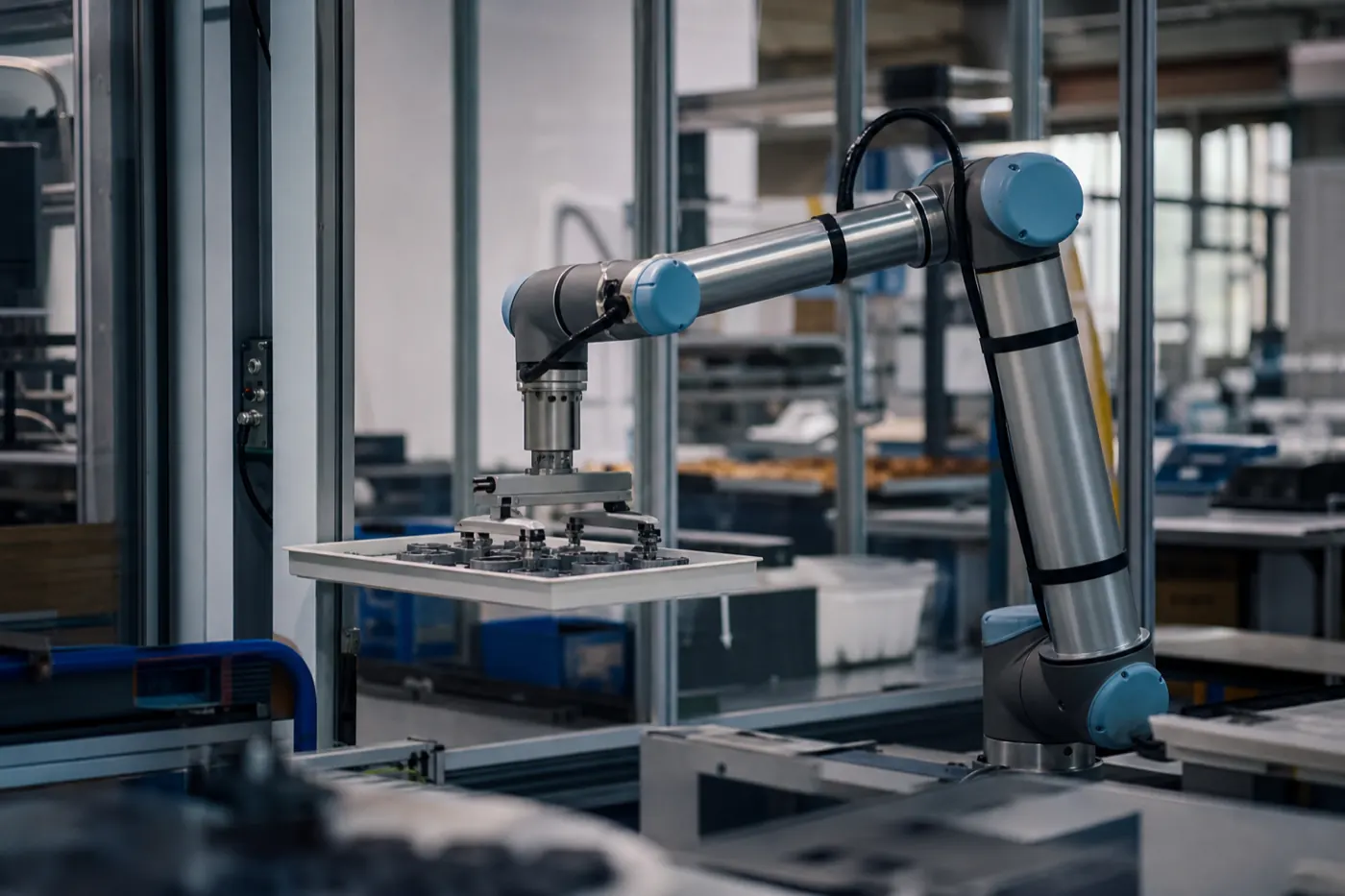 自動化Controlled system behavior for tasks that can be delegated safely.
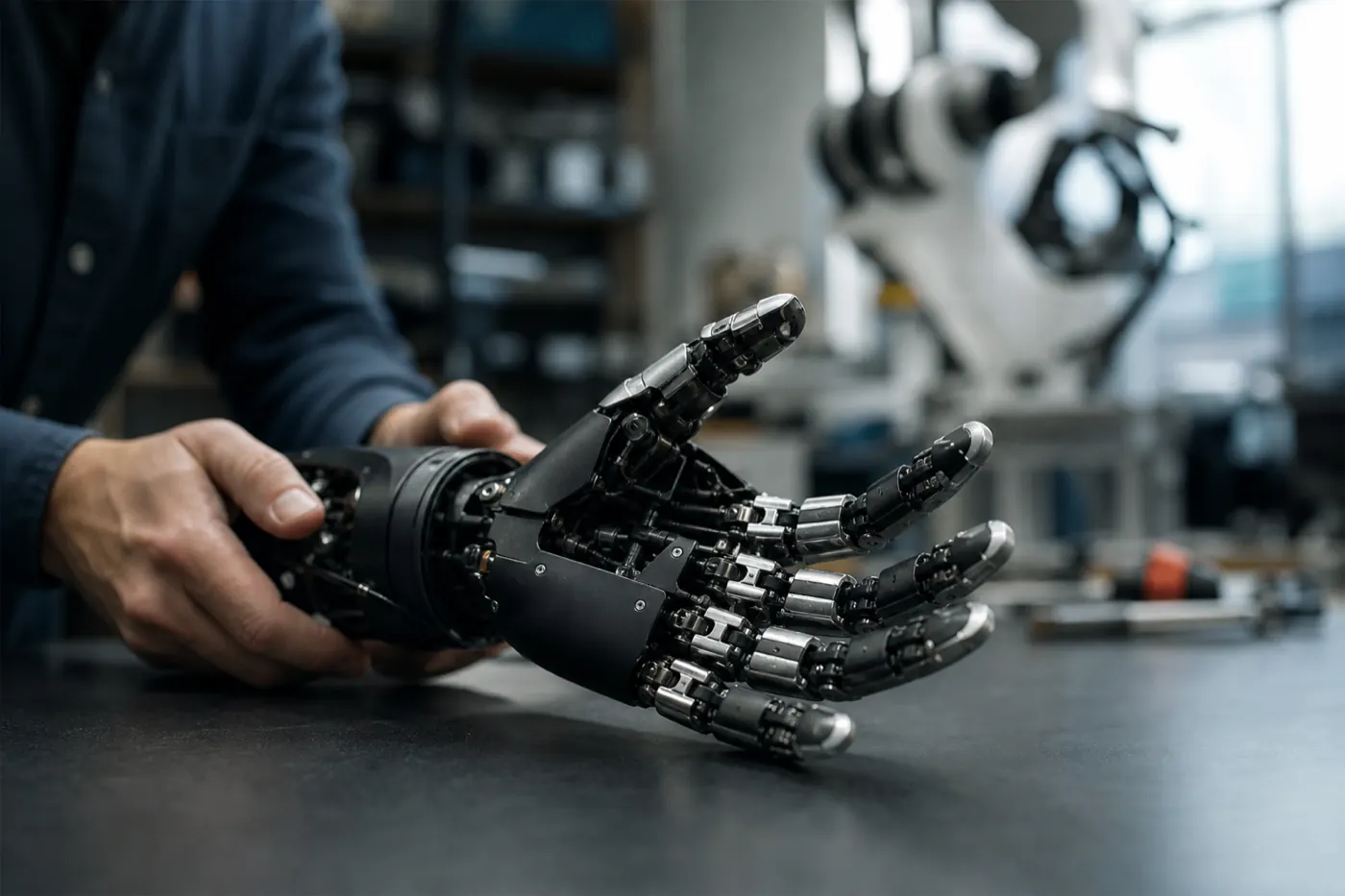 ロボティクスEngineering discipline for devices and interfaces that act in the physical world under governance.
もっと読む
エンジニアリング原則
- 相互運用性 — システムは、明確で限定された合意を通じてのみ情報を交換します。安全とプライバシーの規則は引き続き適用されます。
- 安全 — 境界、エスカレーション、停止条件は設計の一部です。安全はスローガンや認証主張ではありません。
- プライバシー — プライバシーは、人に関するどの情報が、なぜ、誰によって使用されうるかを定義します。
- 人による監督 — 重要な行動は人の権限の下に留まります。自動化と意思決定支援は人の判断を置き換えません。
- スケーラビリティ — 許可、根拠、ガバナンスがその拡張を支える場合にのみ、能力は拡大します。
- 保守性 — 分野、インターフェース、ステータスラベルは明示的なままにし、作業が時間とともにレビュー可能であることを保ちます。
対象範囲
This page is a knowledge index. It describes Technology architecture, relationships and scope.
ステータスラベルはアーキテクチャの成熟度のみを記述します。システムが本番稼働していることを意味しません。
本ページは、顧客、パートナーシップ、認証、検証の主張を行いません。
技術ページは想定されるアーキテクチャを説明します。商用展開、臨床利用、規制承認を示唆するものではありません。