

Technologie
Architektur
Engineering foundations for physical intelligence.
Technology is the shared engineering base for SAVEN Core — the disciplines needed before systems can assist people under clear limits.
Kurz gesagt
Shared disciplines such as Human Data, privacy, and artificial intelligence must be clear before systems can help people safely.
Warum es hilft
Interoperabilität: Systeme tauschen Informationen nur über klare, begrenzte Vereinbarungen aus.
Was als Nächstes kommt
Choose a discipline below to go deeper, or continue into Systems when you are ready.
Disciplines
 Menschliche DatenStructures for history, signals, permissions and changing conditions without unrestricted collection.
 Modell menschlicher DatenControlled interface between human context and systems that may use authorized information.
 DateninfrastrukturEngineering substrate for storing, moving and governing authorized data.
 InteroperabilitätDefines how SAVEN Core systems exchange information with authorized external environments.
 DatenschutzArchitecture that limits what information may be used, why it may be used and who may access it.
 SicherheitProtects systems, interfaces and authorized data pathways from misuse and unauthorized access.
 Künstliche IntelligenzModels and rules intended to assist judgment under permissions, uncertainty handling and human oversight.
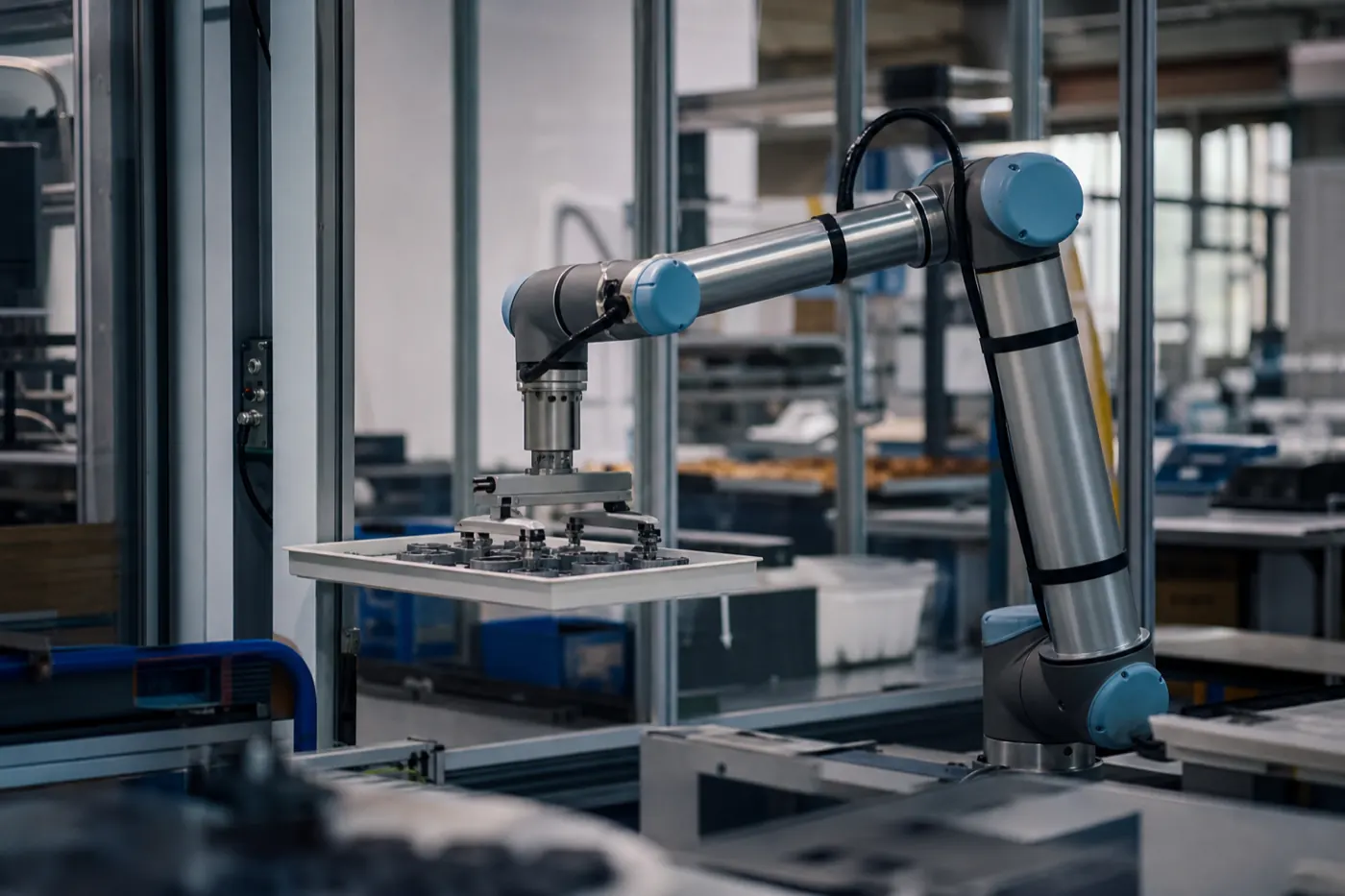 AutomatisierungControlled system behavior for tasks that can be delegated safely.
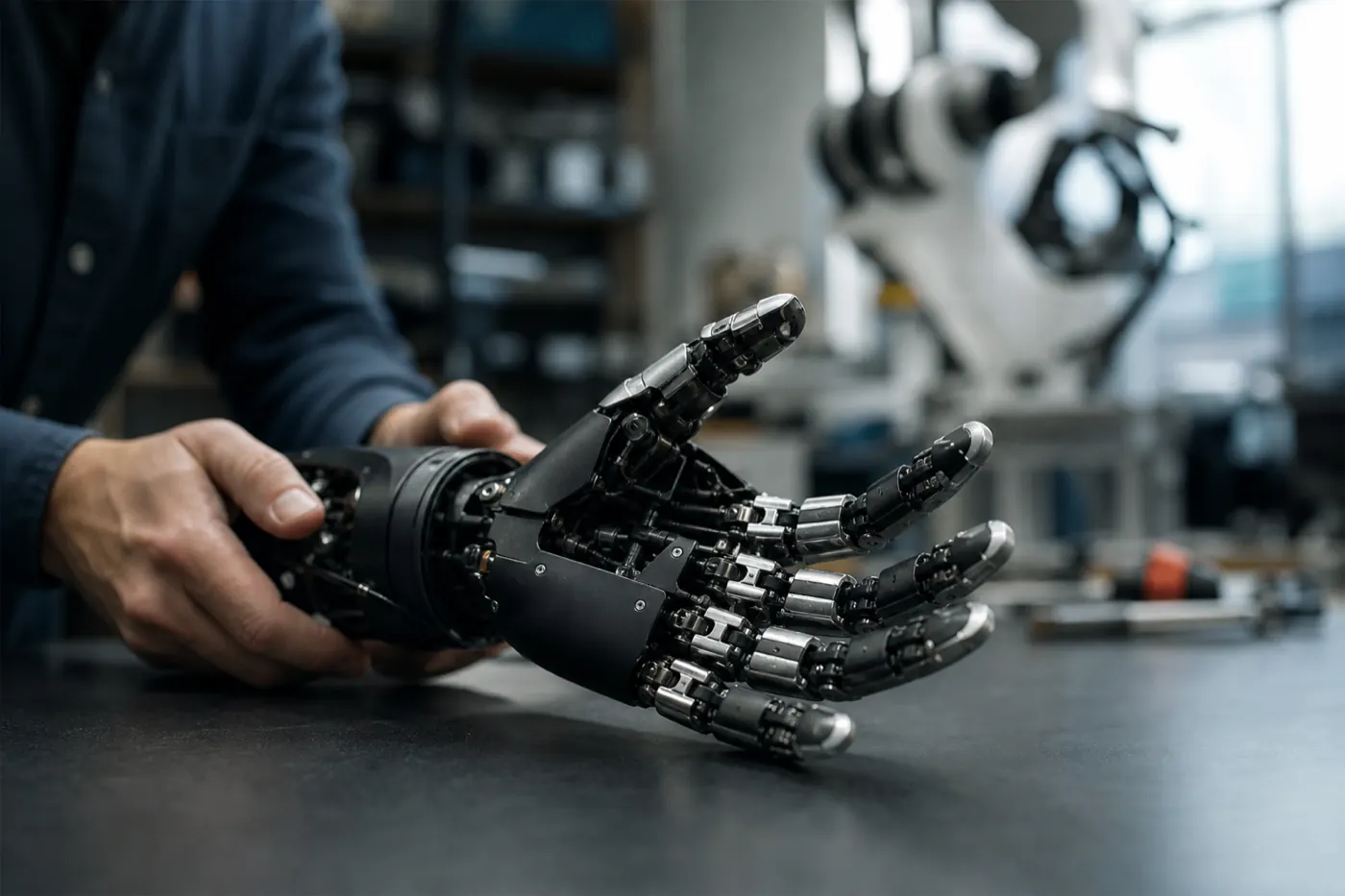 RobotikEngineering discipline for devices and interfaces that act in the physical world under governance.
Weiterlesen
Technische Grundsätze
- Interoperabilität — Systeme tauschen Informationen nur über klare, begrenzte Vereinbarungen aus. Sicherheits- und Datenschutzregeln gelten weiterhin.
- Sicherheit — Grenzen, Eskalation und Stoppbedingungen sind Teil des Designs. Sicherheit ist kein Slogan und kein Zertifizierungsanspruch.
- Datenschutz — Datenschutz definiert, welche Informationen über eine Person genutzt werden dürfen, warum und wer sie sehen darf.
- Menschliche Aufsicht — Wichtige Handlungen bleiben unter menschlicher Autorität. Automatisierung und Entscheidungsunterstützung ersetzen kein menschliches Urteil.
- Skalierbarkeit — Fähigkeiten erweitern sich nur, wenn Berechtigungen, Belege und Governance diese Erweiterung tragen.
- Wartbarkeit — Disziplinen, Schnittstellen und Statusbezeichnungen bleiben ausdrücklich, damit die Arbeit über die Zeit prüfbar bleibt.
Geltungsbereich
This page is a knowledge index. It describes Technology architecture, relationships and scope.
Statusbezeichnungen beschreiben nur die Reife der Architektur. Sie bedeuten nicht, dass Systeme im Produktivbetrieb laufen.
Diese Seite makes no customer, partnership, certification or validation claims.
Technologieseiten beschreiben beabsichtigte Architektur. Sie implizieren keinen kommerziellen Einsatz, klinische Nutzung oder behördliche Zulassung.