
Technologie
Architecture
Engineering foundations for physical intelligence.
Technology is the shared engineering base for SAVEN Core — the disciplines needed before systems can assist people under clear limits.
En bref
Shared disciplines such as Human Data, privacy, and artificial intelligence must be clear before systems can help people safely.
Pourquoi ça aide
Interopérabilité: Les systèmes n'échangent des informations que via des accords clairs et limités.
La suite
Choose a discipline below to go deeper, or continue into Systems when you are ready.
Disciplines
 Données humainesStructures for history, signals, permissions and changing conditions without unrestricted collection.
 Modèle de données humainesControlled interface between human context and systems that may use authorized information.
 Infrastructure de donnéesEngineering substrate for storing, moving and governing authorized data.
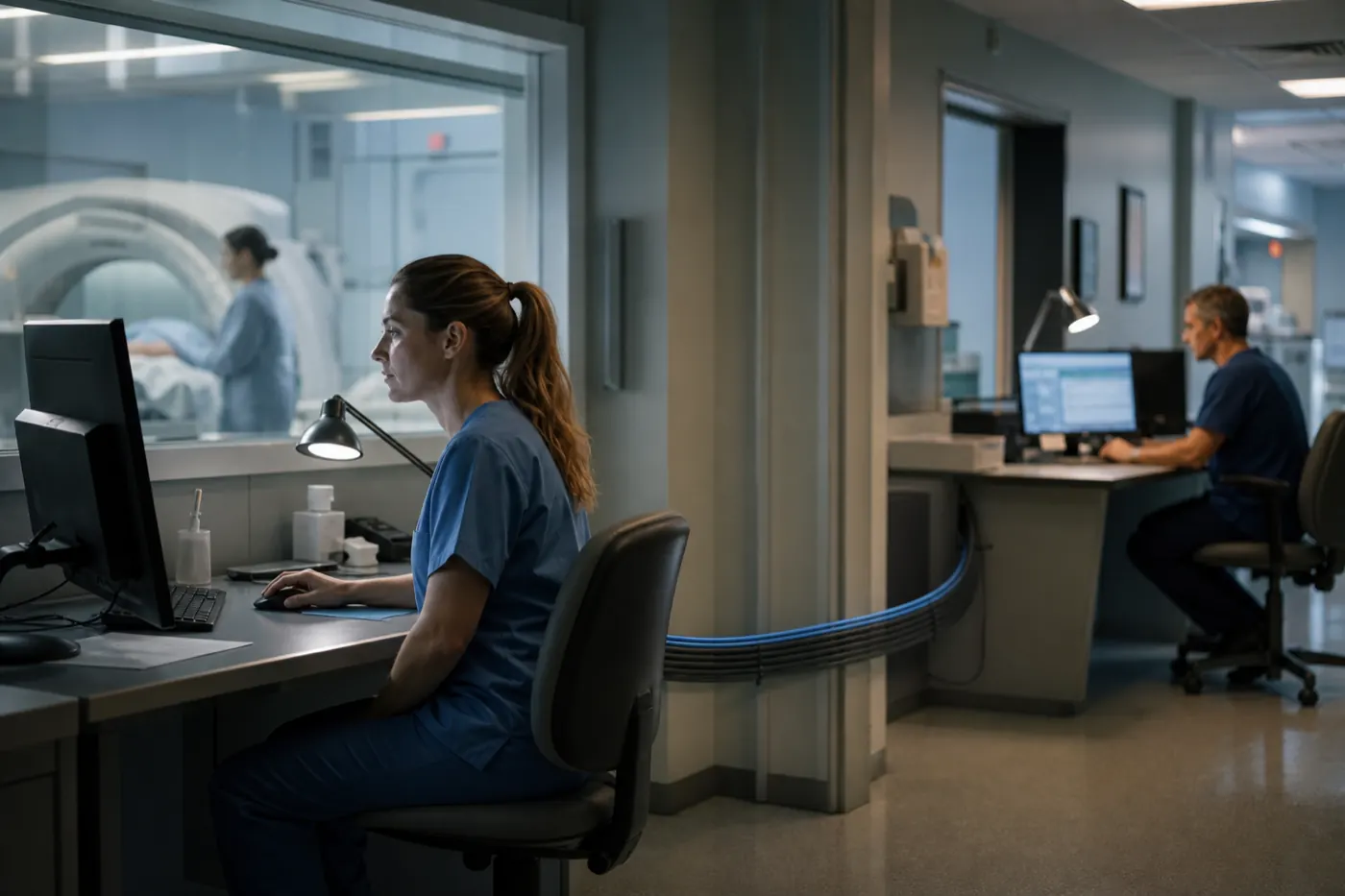 InteropérabilitéDefines how SAVEN Core systems exchange information with authorized external environments.
 ConfidentialitéArchitecture that limits what information may be used, why it may be used and who may access it.
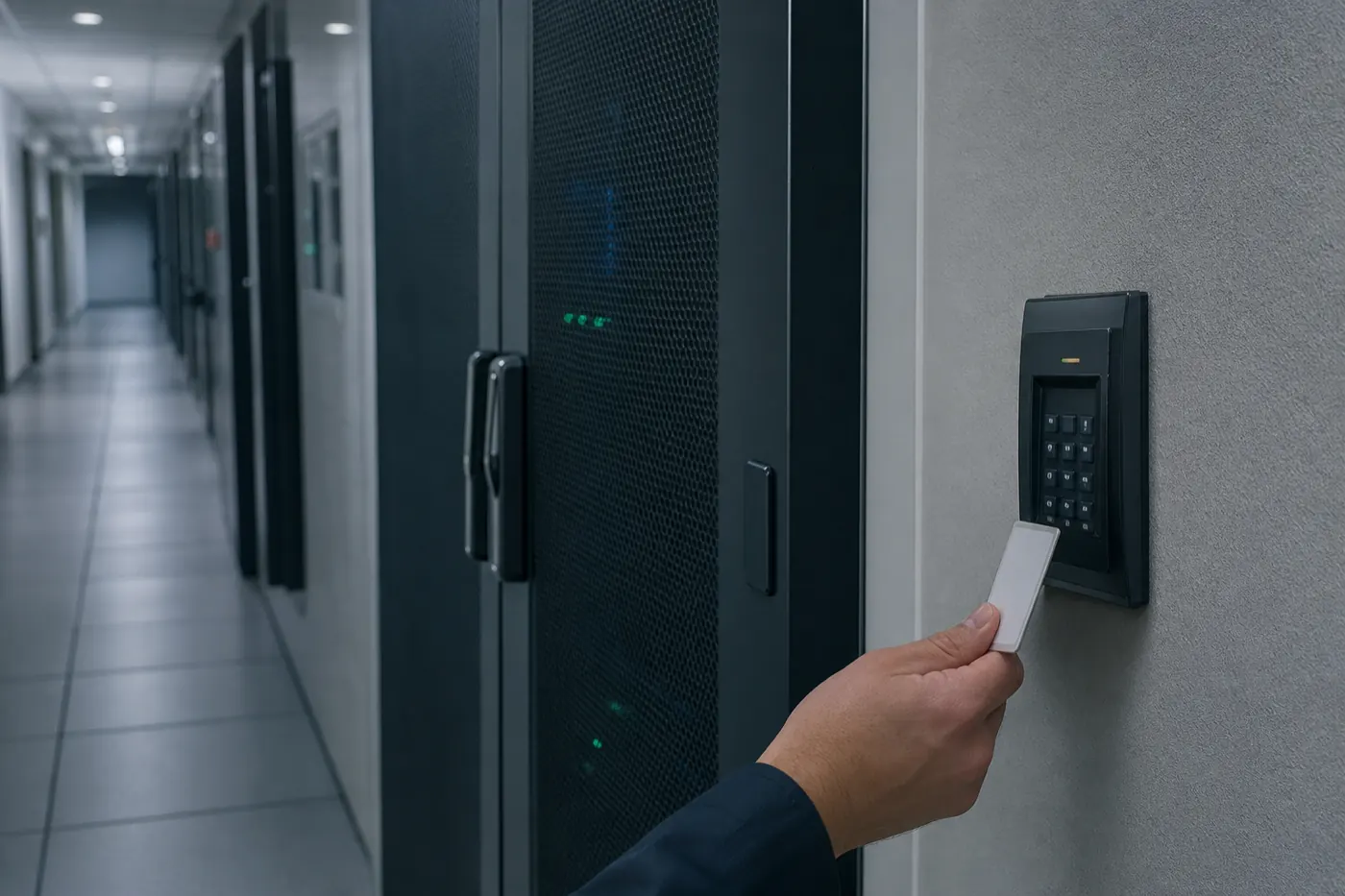 SécuritéProtects systems, interfaces and authorized data pathways from misuse and unauthorized access.
 Intelligence artificielleModels and rules intended to assist judgment under permissions, uncertainty handling and human oversight.
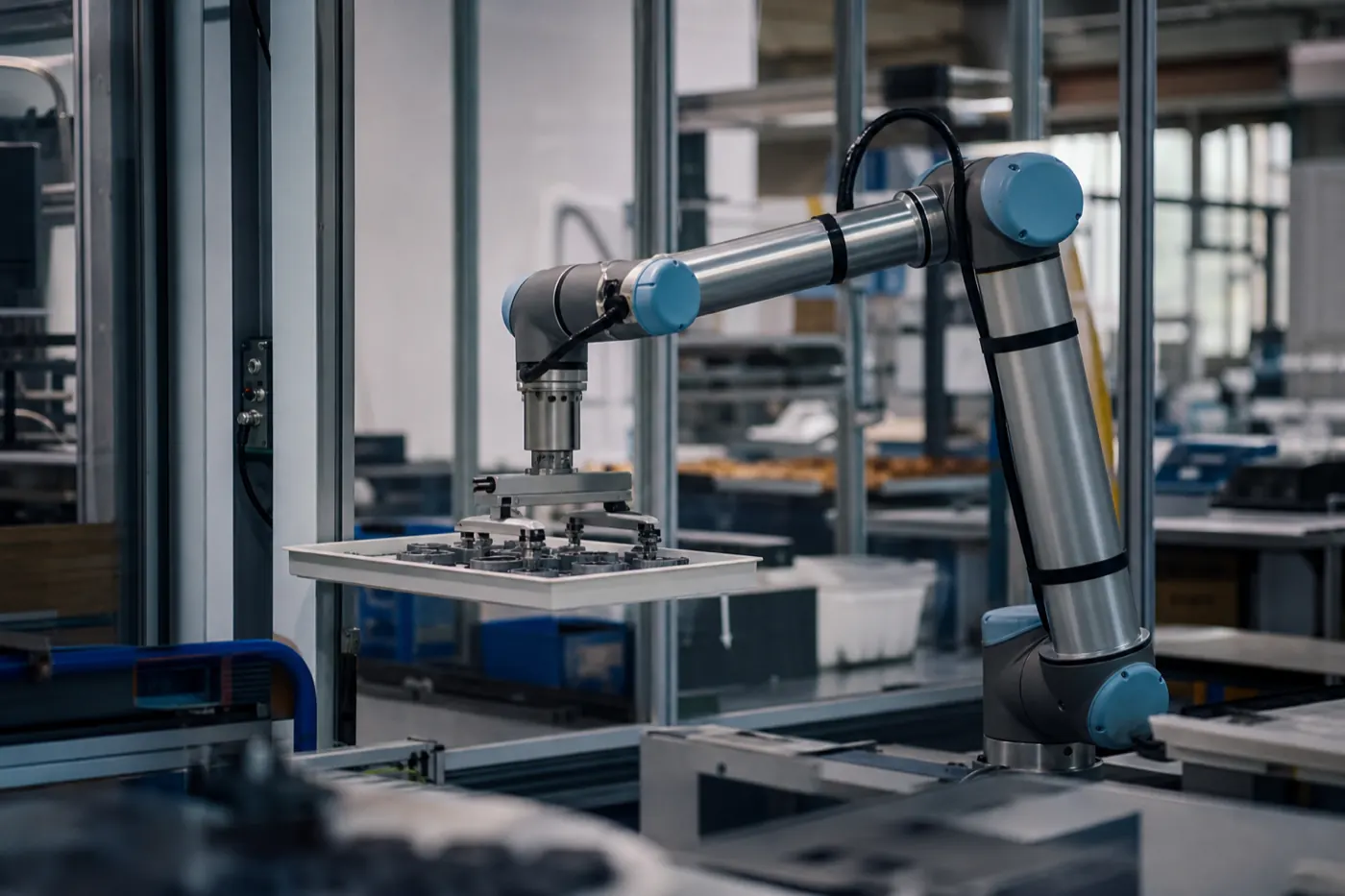 AutomatisationControlled system behavior for tasks that can be delegated safely.
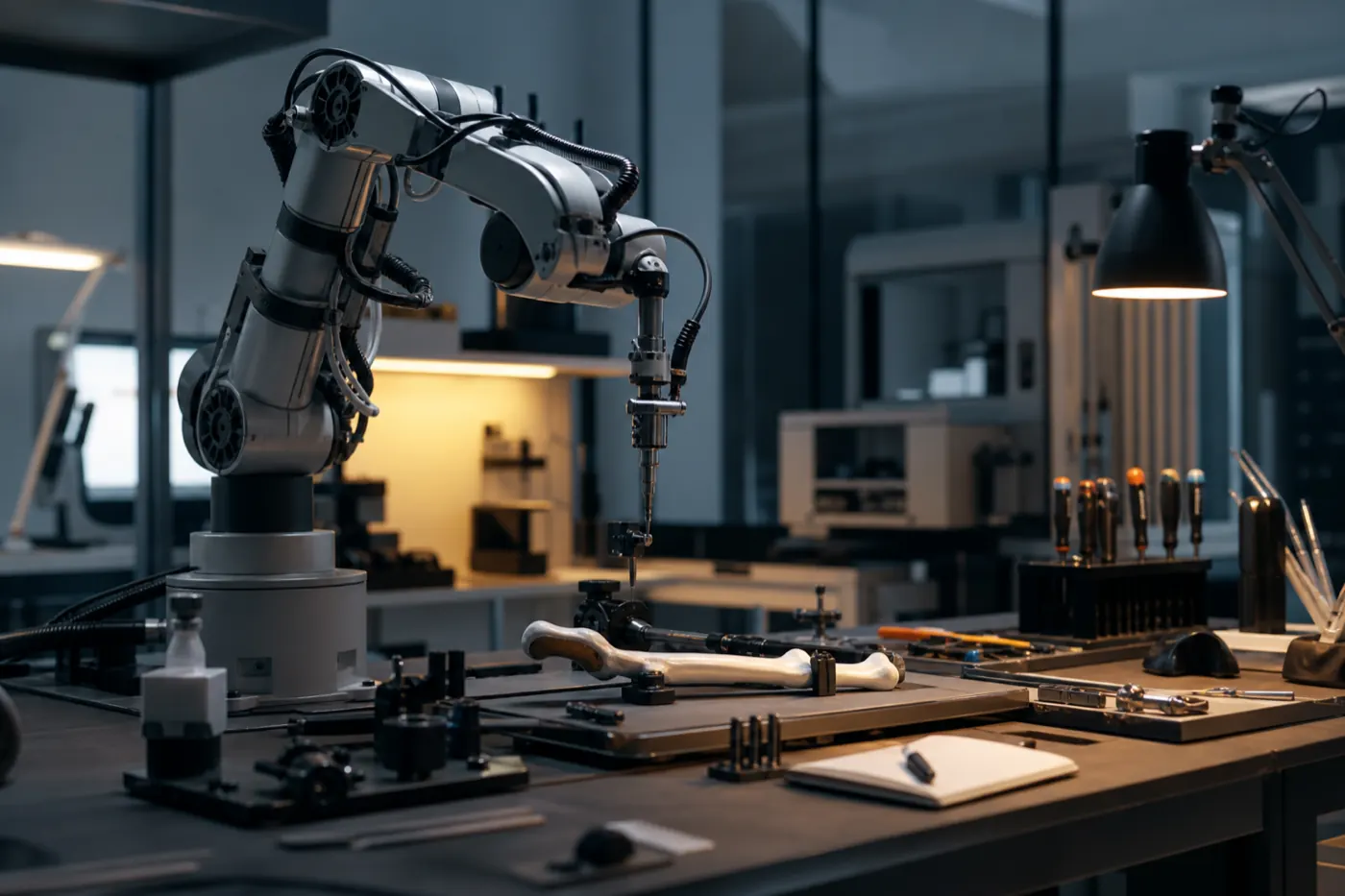
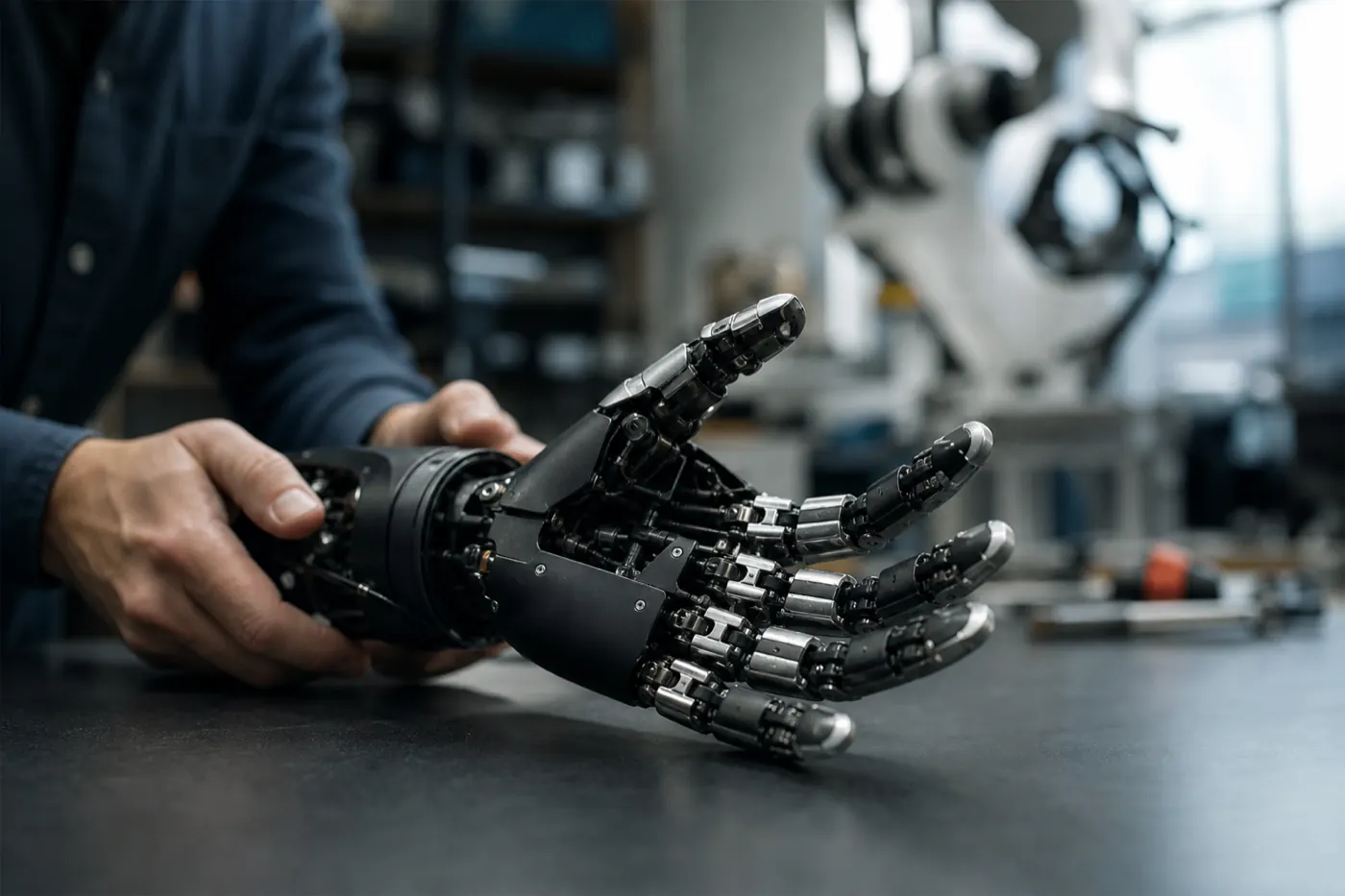 RobotiqueEngineering discipline for devices and interfaces that act in the physical world under governance.
Aller plus loin
Principes d'ingénierie
- Interopérabilité — Les systèmes n'échangent des informations que via des accords clairs et limités. Les règles de sécurité et de confidentialité s'appliquent toujours.
- Sécurité — Les limites, l'escalade et les conditions d'arrêt font partie de la conception. La sécurité n'est ni un slogan ni une revendication de certification.
- Confidentialité — La confidentialité définit quelles informations sur une personne peuvent être utilisées, pourquoi elles peuvent l'être et qui peut les consulter.
- Supervision humaine — Les actions importantes restent sous autorité humaine. L'automatisation et l'aide à la décision ne remplacent pas le jugement humain.
- Évolutivité — Les capacités ne s'étendent que lorsque les permissions, les éléments probants et la gouvernance le permettent.
- Maintenabilité — Les disciplines, interfaces et libellés de statut restent explicites pour que le travail demeure vérifiable dans le temps.
Périmètre
This page is a knowledge index. It describes Technology architecture, relationships and scope.
Les libellés de statut décrivent uniquement la maturité de l'architecture. Ils ne signifient pas que les systèmes sont en production.
Cette page ne formule aucune revendication relative à des clients, partenariats, certifications ou validations.
Les pages Technologie décrivent l'architecture envisagée. Elles n'impliquent ni déploiement commercial, ni usage clinique, ni approbation réglementaire.