


宗旨
参考架构
为支持人类生活而构建的智能系统。
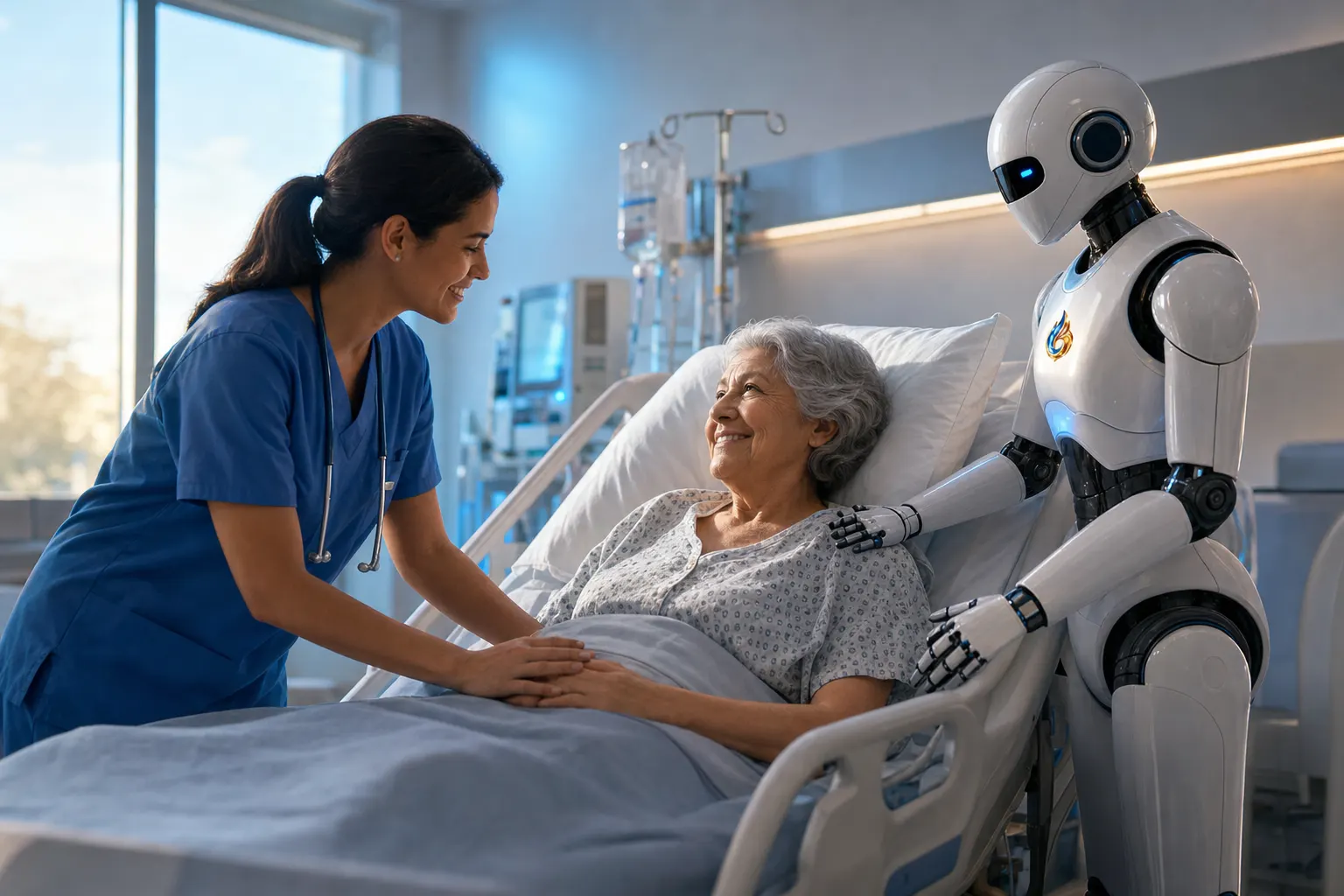
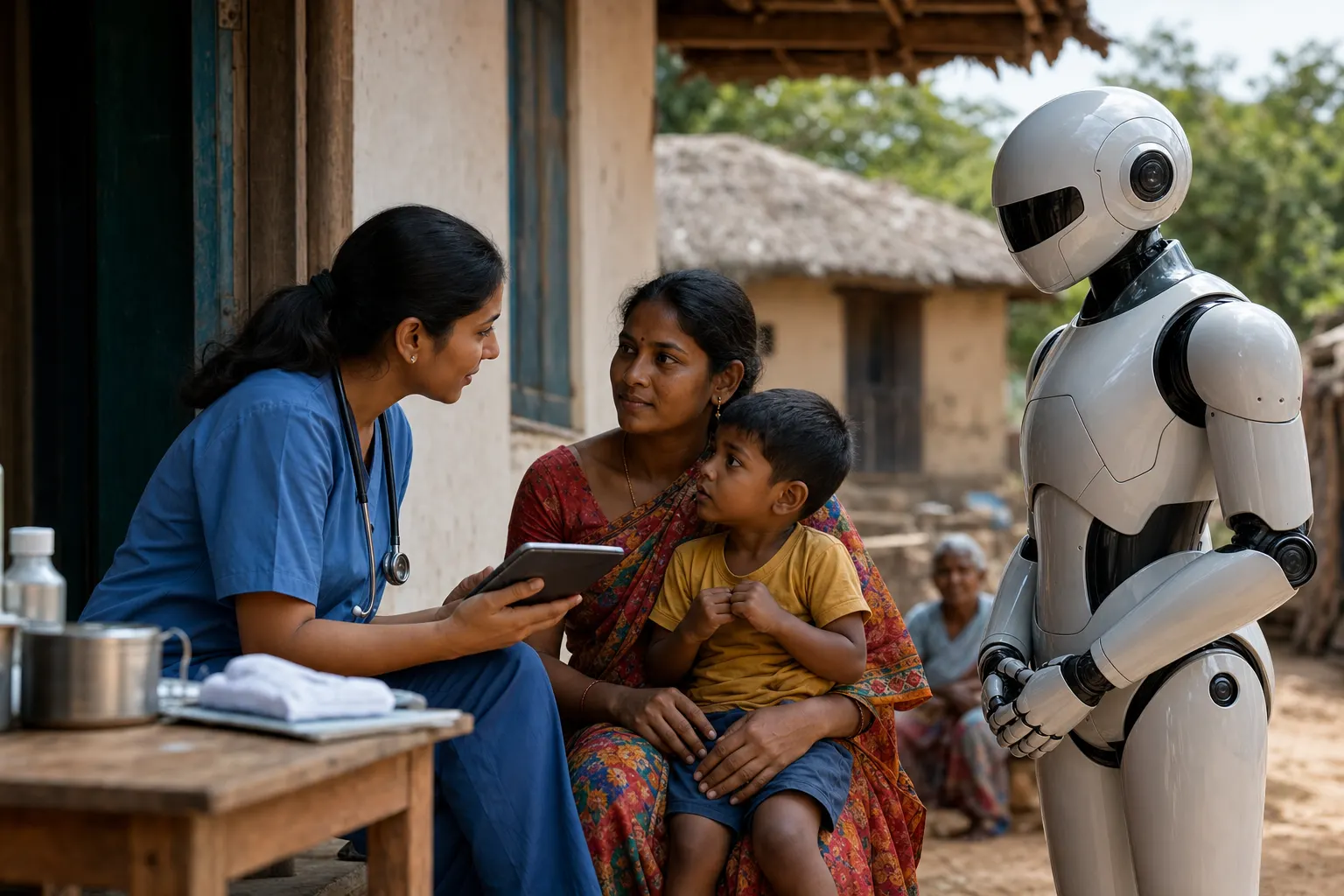
SAVEN Core builds systems that support people in hospitals, at home, and in everyday life. Human purpose comes first — then architecture, engineering, and careful assistance.
一句话
The primary purpose of SAVEN Core is helping people.
为何有益
使命是构建从人类理解到物理辅助的连贯路径:谨慎解读上下文,将授权数据连接至工程系统,使人对重大决策负责。
接下来
主要情境是医院、家庭与日常生活。架构旨在支持在已定义权限下需要谨慎辅助的人、照护者与机构操作者。
继续阅读
宗旨
The primary purpose of SAVEN Core is helping people. SAVEN Core brings human-centered architecture to care, independence, safety and daily life across every age and stage of life.
机器人技术、空中系统、基础设施与其他技术扩展仍从属于该目的,不得替代或遮蔽工作的人类理由。
使命
使命是构建从人类理解到物理辅助的连贯路径:谨慎解读上下文,将授权数据连接至工程系统,使人对重大决策负责。
使命描述方向,不用作导航标签。宗旨仍是本站该部分的主要公开标签。
我们构建什么
SAVEN Core brings together human-context models, artificial intelligence, robotics, sensing, interfaces and environment-level controls as a connected system architecture.
The work includes software architecture, safety and privacy architecture, human-system interaction and physical-system engineering. Public materials describe architecture and scope; they do not claim commercial deployment.
我们为谁构建
主要情境是医院、家庭与日常生活。架构旨在支持在已定义权限下需要谨慎辅助的人、照护者与机构操作者。
仅当人类应用导向保持清晰后,未来工业或扩展领域方可使用相同基础。
工程原则
- 目的先于技术 — 技术能力由人类需求与已定义运行角色正当化。
- 工程先于推广 — Public communication follows architecture, evidence and scope.
- 责任先于规模 — 扩展自主性或更广泛使用之前,须先有权限、安全审查与人工监督。
- 人工监督 — 人仍对判断、控制与有意义决策负责。
- 隐私设计 — 个人上下文以受控访问、最小化与明确权限处理。
- 安全先于自主性 — 安全架构先于扩展自主行为。
以人为中心的系统
系统以人为先设计:上下文、连续性、尊严与干预能力。人工智能与机器人技术被视为辅助工具,非人类判断替代。
人工监督、隐私设计与安全先于自主性仍是架构的结构要求。
负责任智能
智能功能旨在在已定义边界内支持解读、选项评估与受控辅助。
自主性受目的、权限、风险与人类权威限制。升级、回退与停止条件属于系统设计,而非事后附加。
长期愿景
长期愿景是持久的工程组织,可将研究转化为可测试系统,同时保留治理、证据与人类控制。
进展以能力、验证与责任衡量——非宣传声明或过早产品框架。